Demand, and the flow of metal into the U.S. ahead of a proposed 15% tariff on copper imports from January, are the easy factors to understand in the price of a critical industrial metal but the debt, currency and interest rates factors could be more important.
A fall in the U.S. Dollar Index, also known as the Dixie, to a reading of 98.7 lifted all commodities traded in U.S. dollars, which is effectively everything from gold to oil. The Dixie retreat also helped lift the Australia dollar to a four-month high of U.S.72.2 cents.
The fall in the U.S. dollar is a function of growing concern about sky-high U.S. government debt of US$40.09 trillion (and rising), but it also sits comfortably with an ultra-positive mid-week presentation from seasoned Sydney stockbroker Charlie Aitken.
His talk at the Resources Rising Stars conference on the Gold Coast outlined a case for higher commodity prices, a forecast supported by the currency factor which is also behind fresh investor (and central bank) interest in gold as a hedge against a debt-induced dollar collapse.
Aitken’s theme of commodities being in the early stages of a new super-cycle can also be measured in strong U.S. dollar prices for metals and minerals other than copper including tin, zinc, aluminium, platinum and even iron ore which has moved back above US$100 a tonne despite Chinese demands for a price cut.
Offsetting Aiken’s optimism, and demanding the attention of investors, is unease about the trend in interest rates which are rising everywhere as governments seek cash to feed their debt addiction with Australia one of the world’s leading debt junkies.
This week saw the yield on Australian Government 10-year bonds reach a multi-year high of 5.27%, a rate which will drag all interest rates higher. The U.S. 10-year yield wasn’t far behind at 4.85% while near-bankrupt Britain saw its 10-year bond trade to 5.26%.
The debt/currency/rates issue could also be seen at work in Thursday’s overall market sell-off as investor sentiment soured, wiping 1.5% off the Australian stock market as measured by the all-ordinaries index, 2.6% off the metals index and 1% off the gold index.
Attempts by the U.S. Treasury Secretary Scott Bessent to talk down rates suffered a midweek failure as bond vigilantes, traders demanding higher rates for the risk taken in buying U.S. Government paper, took their revenge. Rather than fall, as Bessent demanded, rates rose.
Events on the bond market do not normally attract a following but what’s happening today is an overdue reckoning for governments with the Reserve Bank’s finger poised over a double-barreled round of interest rate rises, one later this month and another in November.
Adding to investor (and consumer) uncertainty is the oil price which rose back above US$100 a barrel on Wednesday with the mix of oil, rates and the Iran war sparking concern about a potentially significant market correction.
On the copper market, the winner again was Kaoko Metals which added traded up to $3.06 before easing as profit-takers took some of their money off the table.
The sharp rise by Kaoko helped the company easily raise $20 million to fund drilling at its Chalkos discovery in Namibia with subscribers to the share issued priced at $2.20 already in the money.
Other copper moves, and news, this week included:
- Linq Minerals, up 5c to 44c after reporting fresh copper assays from drilling at its Monza project in NSW with a best hit of 113 metres at 0.71% copper, starting at a depth of 33m.
- Ivanhoe Mines, up C$1.16 (10%) to C$13.46 on the Toronto exchange after reporting a whopping expansion of its Makoko project in the Democratic Republic of Congo to 42 million tonnes grading 2.66% copper for a resources of 12 million tonnes of metal – a sobering reminder to Australian investors on what a real copper discovery looks like.
- Sandfire Resources, up 21c to $22.28. AIS Resources, up 2c to 52c. Capstone, up 74c to $15.90 and Cyprium, up 3c to 56c.
Gold stocks, despite a small increase in the price of the metal, faded as the week progressed possibly a sign if nervous investors hugging the sidelines as the threat of higher interest rate increases grew larger.
Sector leaders led the way down. Northern Star slipped 45c lower to $22.63. Evolution was down 78c at $14.27, and Genesis lost 27c at $7.97.
Sunstone was a rare winner with its 1c rise to 21c after reporting more high-grade drill results from its Bramaderos gold/copper project in southern Ecuador including 9.35 metres at 17.23 grams with a core of 5.95m at 26.61g/t. Shaw and Partners pushed the boat out a long way with a buy tip and share-price target of $1.40.
Gateway Mining was another stock to swim against an outgoing tide, adding 0.1c to 8.9c after reporting the discovery of a promising new drilling target at its Pewy project in WA.
Most other gold moves were down, including Kingsgate, down 5c to $5.48 despite reporting a return to full production at its Chatree project in Thailand. Catalyst, down 14c to $6.63 despite reporting a boost to gold reserves at its Keillor project. Sun Silver, down 8c to $1.09 and Westgold, down 60c to $5.85 even as Macquarie published a fresh buy tip and price target of $7.
Lithium stocks had a mixed week but leading investment bank Citi sees better times ahead telling clients in a mid-week note that expanding Chinese battery output and uncertainty about Chinese lithium production could be pointing to a shortage of metal next year.
“Even modest (supply) disruptions could materially tighten lithium market balance,” Citi said.
The bank’s pick of the local lithium sector is PLS which is predicted to rise from its current $4.83 to a target price of $5.50 (which is 50c up on Citi’s previous price tip). Other price forecasts are $8.10 for IGO (previously $7.10) and $1.30 for Liontown, down from $1.35.
Two interesting lithium moves during the week were Core, up 3c to 37c after restarting its Finniss mine in the Northern Territory, and Australasian Metals, up 4.5c (35%) to 18c after securing an option over a promising lithium asset in Africa’s Ivory Coast.
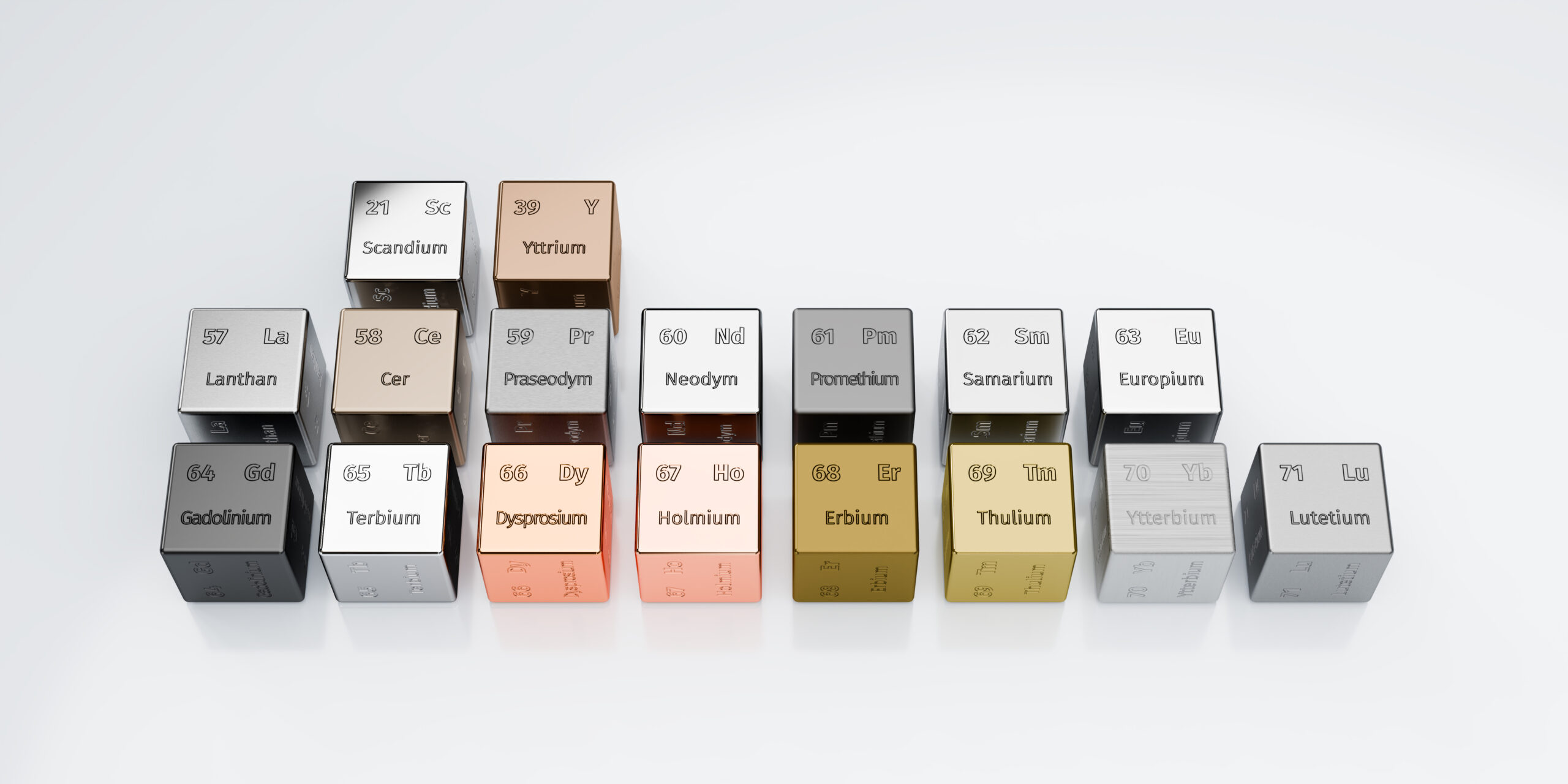
The rare earths sector produced a wildcard winner in Iondrive which is working on a rare earth recovery project in the U.S. which extracts metal from end-of-life magnets. Its shares rose by 7c (74%) this week to 16c.
Other rare earth price moves include Brazilian Rare Earths, up 6c to $3.58. Australian Rare Earths, up 0.2c to 12c and Lynas, down 28c to $14.89.
Uranium stocks performed well in a down week, led by Paladin which added 8c to $11.73 (Morgans has a target of $13.30 on the stock), and Boss which hit a mid-week high of $1.62 before fading to close at $1.53, up 3c for the week.
Bannerman slipped 12c lower to $4.19 but did successfully raise $124 million to push ahead with its Etango project in Namibia.
Other news and market moves of interest included:
- Tungsten Mining up 8c (24%) to 39c after reporting that it had received all approvals for the development of its Watershed project in north Queensland.
- Sky Metals was another tungsten winner with a 2c rise to 20c after reporting high-grade samples close to its Tallebung tin project in NSW.
- Pmet slipped 1.5c lower to 45c after announcing a large scale sampling program for Caesium CV13 pegmatite in Canada, and
- Lux Copper, up 2c to 36c after announcing a maiden drilling program at its Baird copper project in Alaska.